Archives

A professional hospital interpreter enables communication between doctor and patient and helps satisfy a patient's needs. Aside from finding someone who's multilingual, these are some of the important characteristics hospital administrators must consider when hiring an interpreter.
Read more
Studies have shown that the use of a medical interpreter during hospital discharge can cut down the process time by half.
Read more
When planning a multilingual event that requires interpreting, arrangements have to be made for audio equipment, seating layouts, and more.
Read more
By preparing interpreters for your event, you can increase the quality of the interpreting performed, help the conference run more smoothly and even make your life as a conference organizer a little easier.
Read more
With today's increased focus on globalization, many professionals are doing business with people from around the world. But with so many different customs in every country, it's easy to accidentally offend someone by making the wrong gesture or saying the wrong thing.
Read more
Professional interpreting can turn a training seminar into the kick start your multi-language company needs to create an effective workforce, no matter the industry.
Read more
Both translating and interpreting aim to communicate across languages, but being proficient at one doesn't necessarily mean you're proficient at the other.
Read more
Relay interpreting is a complex process that relies upon synchronization and has its own set of unique challenges.
Read more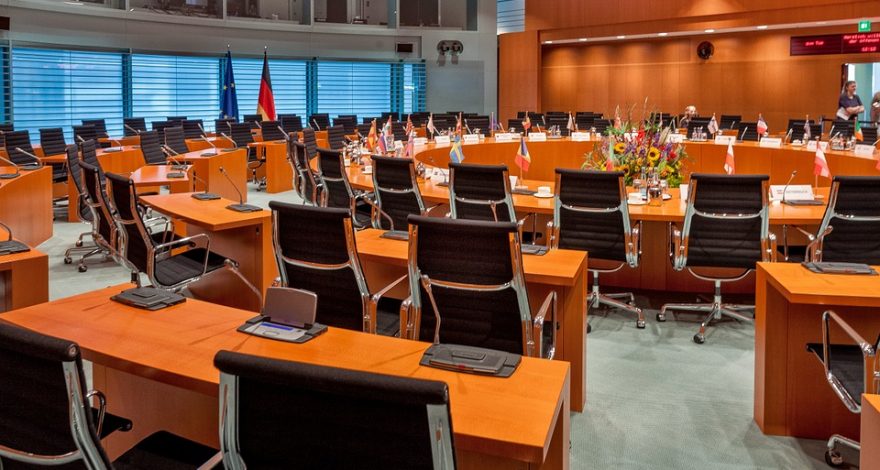
French for whispering, chuchotage interpreting is ideal for single person audiences, but can also be used for audiences of several people.
Read more
The Americans with Disabilities Act of 1990 established a series of measures to prohibit instances of discrimination because of a person's disability. The ADA requires that the communication needs of hard of hearing and deaf persons are met, and this frequently demands the use of an ASL interpreter.
Read more